A gym in northern China has gone viral for launching a controversial weight-loss challenge that promises a Porsche Panamera to anyone who can shed 50 kilograms (110 pounds) in just three months.
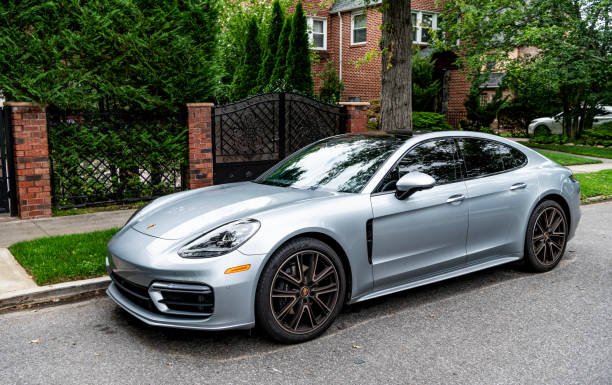
The fitness center, located in Binzhou, Shandong province, announced the challenge on October 23, sparking widespread discussion online. According to reports, the Porsche being offered is a used 2020 model owned by the gym’s boss, and latest model value at around 1.1 million yuan (approximately US$155,000).
The Challenge and Its Rules
Participants must pay a 10,000 yuan (US$1,400) registration fee, which covers meals and accommodation inside a fully enclosed training facility. Coach Wang, who confirmed the campaign to Chinese outlet Xiang Yang Video, said the program is already underway.
“Registration will close once we reach 30 participants. So far, around seven or eight people have signed up,” he shared.
However, the gym has not disclosed the full details of the training schedule, diet plans, or how it intends to verify the results.
Health Experts Raise Concerns
While the promotion has attracted massive online attention, medical professionals are warning that such a drastic weight-loss goal is extremely unsafe.

A popular Weibo medical influencer known as Dr. Zeng—who has over 3.5 million followers—criticized the challenge, saying that losing 0.5 kilograms a day can cause more harm than good.
“This pace leads to muscle loss rather than fat reduction and can cause hormonal imbalance, hair loss, and even amenorrhea in women,” Dr. Zeng said.
He advised that safe weight loss should be limited to around 0.5 kilograms per week.
Another expert, Dr. Pu Yansong, a gastrointestinal surgeon at Shaanxi Provincial People’s Hospital, warned that losing weight too quickly can strain vital organs and even be life-threatening.
“Scientific weight loss should be gradual, allowing the brain, body fat, muscles, and organs to adapt,” he explained.
Online Reactions
The campaign has triggered a mix of amusement and criticism across Chinese social media. Many users questioned whether such a feat is even physically possible—or just a marketing stunt.
One user joked:
“If I lose 50 kilograms, I’ll only have five left. Will I still be alive?”
Another commented on the irony of the promotion:
“No one can achieve this. Losing 50kg in three months? You’ll lose the person, not just the weight. The gym owner could just profit from the registration fees!”
Despite the backlash, the challenge continues to draw attention, serving as both a viral marketing success and a warning about the dangers of extreme fitness goals.