Thousands of people were left confused and disappointed after turning up to a non-existent New Year’s Eve fireworks display in Birmingham — for the second year in a row — following misleading online adverts that may have been generated by AI.
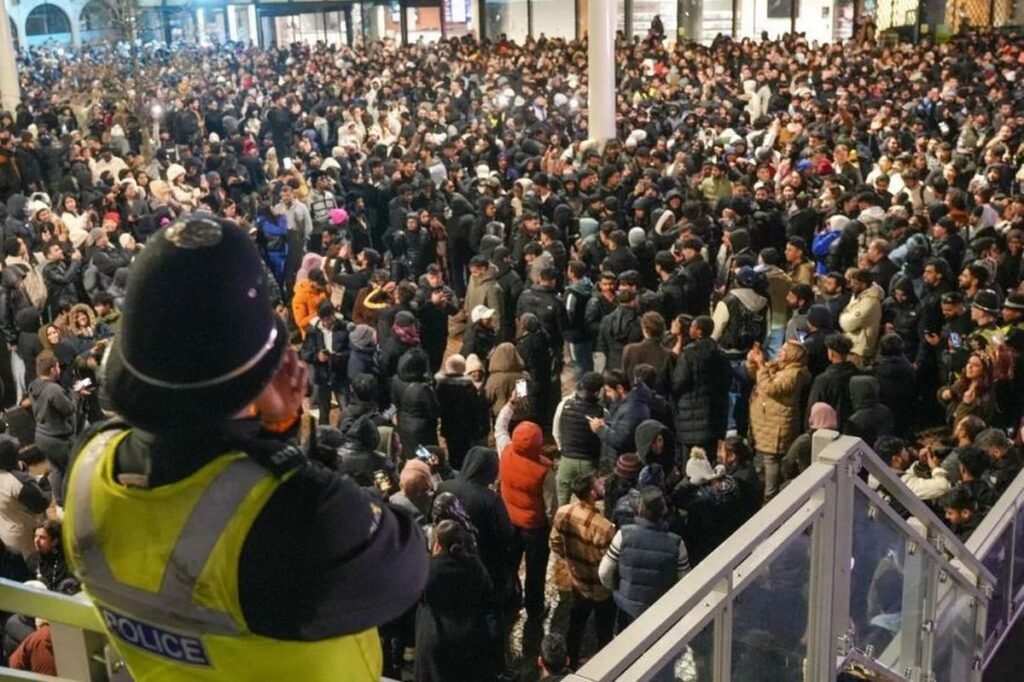
Crowds gathered in Centenary Square on New Year’s Eve, braving freezing temperatures in the hope of witnessing what online posts promised would be the “biggest NYE party” in the city. While many others across the UK celebrated at pubs, house parties, or official events, large groups of revellers stood shoulder to shoulder in Birmingham city centre, phones held high and pointed at the sky.
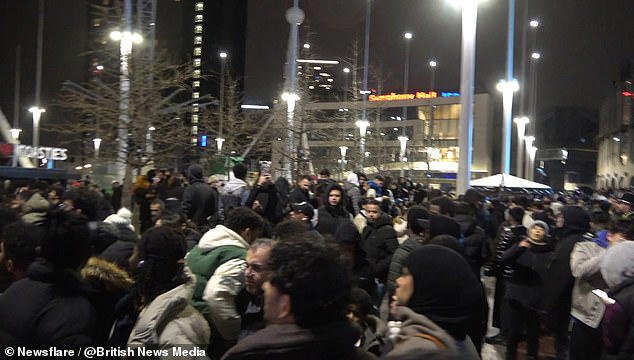
But the fireworks never came.
Videos shared on TikTok showed packed streets and crowds waiting in anticipation, before eventually dispersing once police officers arrived to inform them that no such event was taking place.
West Midlands Police later confirmed that there were no official fireworks displays or city-organised New Year events in Birmingham city centre. Officers were forced to step in and manage the crowds after misinformation spread rapidly online.
Authorities revealed that a similar situation unfolded the previous year, when thousands also descended on Centenary Square for a fireworks show that did not exist. Investigations later suggested that the misleading posts may have been written by AI, recycling outdated information from older blog articles listing the “best fireworks displays” in the UK.
Despite Birmingham city centre not hosting New Year’s fireworks since 2017, the city continues to appear in online roundups, which appear to have been reused or automatically rewritten without fact-checking.
One widely shared advert claimed the supposed event would run from 8pm on December 31 until 12.30am, promising street food vendors, an ice rink, bars, and major celebrations in Centenary Square. None of these plans were real.
West Midlands Police had issued warnings ahead of New Year’s Eve, urging people to be cautious about online claims. A spokesperson said that every year false rumours circulate about large celebrations in the city, often leading to frustration and unnecessary travel.
They warned that misinformation can cause real safety issues, including congestion, strain on public transport, and pressure on emergency services, particularly when large crowds gather for events that do not exist.
Police urged residents to verify information through trusted sources and to report misleading posts so authorities can clarify the situation before it escalates.
What was meant to be a joyful start to the new year instead ended with confusion — and served as another reminder of how quickly AI-generated misinformation can spread online.