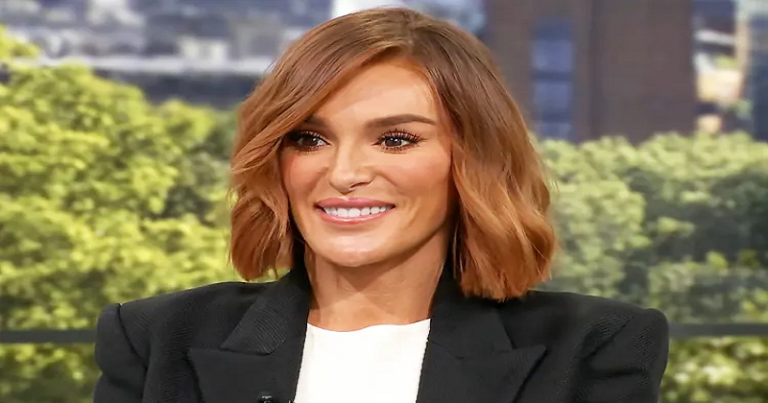
A Japanese fan’s dream date turned into a nightmare after discovering that the “bodyguard” who tagged along on his $4,000 Disneyland outing with his favorite idol was actually her secret husband.
According to reports, a man known as Nino paid 600,000 yen (around $4,000) for a one-day date with Touka Toozuki, an underground idol from Tochigi Prefecture, north of Tokyo.

Toozuki, known for her petite frame and sweet looks, is a self-managed performer with a following of more than 80,000 fans on social media. Like many underground idols in Japan, she built her career performing in small venues and connecting directly with fans.
In April, Toozuki announced an exclusive “Disneyland one-day date” offer for fans, promising an experience that would feel “just like a real date.” Nino, who had supported her for four years and spent millions of yen on her merchandise and events, eagerly signed up.
He covered all costs — including tickets, meals, photos, and even the expenses for a “bodyguard” Toozuki insisted on bringing for safety reasons.

For Nino, the day felt magical. They rode attractions together, shared meals, and took photos side by side. “It was a dream-like experience,” he wrote online after the outing.
But the fantasy soon fell apart. Days later, Nino learned that the so-called bodyguard wasn’t just a chaperone — he was Toozuki’s husband.
“My favorite idol not only hid her marriage, but her husband came along — and I paid for all three of us,” he wrote in disbelief. “I can’t believe I paid for her husband’s Disneyland trip.”
His post quickly went viral in Japan, sparking widespread debate about honesty and boundaries between idols and fans.
One commenter wrote, “Poor guy — he must have lost faith in people.” Another added, “If she’s charging fans for personal experiences, she should be transparent. Hiding a marriage is deception.”
As the controversy grew, Toozuki issued a public statement saying the date took place after she had left her idol career and was working as an influencer. She also said she was cooperating with police and her lawyers due to online speculation, and apologized for “causing concern and confusion” among her followers.
Notably, she did not address her marriage directly, leaving fans divided — with some demanding accountability and others defending her right to privacy.
The controversy has reignited a long-standing discussion about Japan’s “no-dating rule” in idol culture — where performers are expected to remain single to preserve their appeal to fans.
One user wrote, “Idols shouldn’t be treated like possessions.”
Another countered, “But if you’re selling personal experiences for thousands of dollars, transparency matters.”
Entertainment observers say the case highlights a larger issue within Japan’s idol industry — the commercialization of intimacy and the blurred line between fantasy and reality.
Sponsored
People are trying these right now 👇
Available for US users only